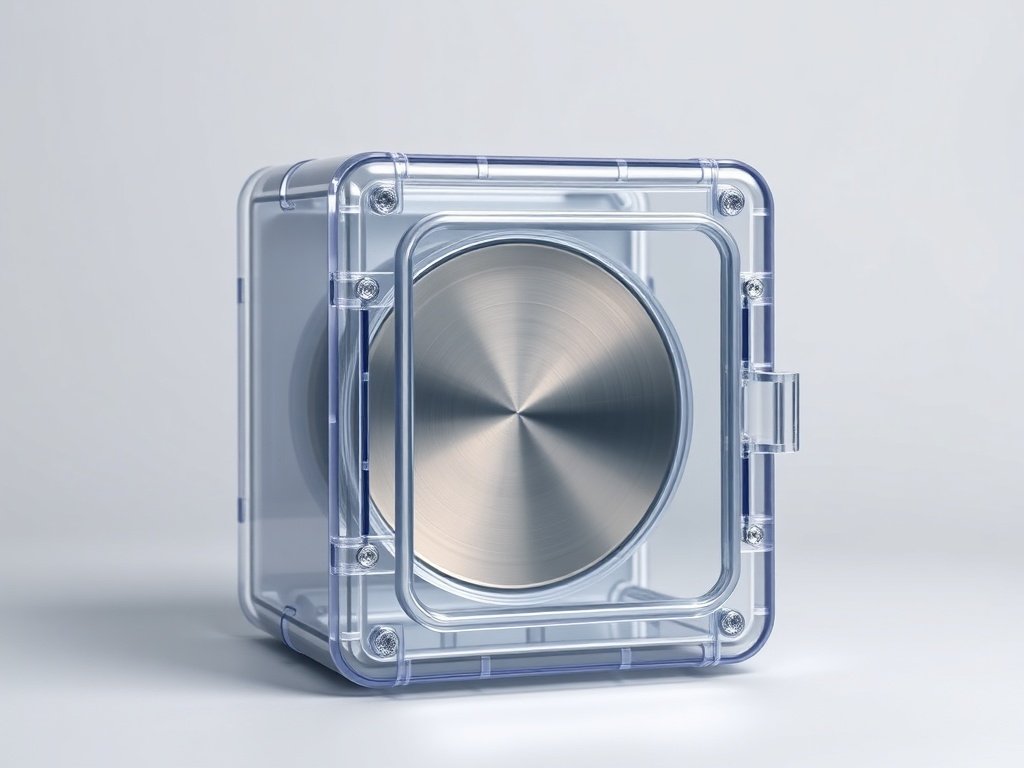
Wafer packaging is one of the most underrated pieces of the semiconductor supply chain. A single 300 mm wafer can carry hundreds of finished devices, and if it is scratched, contaminated, or mishandled during transport, the entire batch can be lost. Choosing the right wafer packaging and shipping solution protects your silicon wafer substrates from the moment they leave the fab until they arrive at your production line.
But “wafer packaging” is not a single product — it is a family of specialized cassettes, pods, boxes, and sealing methods designed for different wafer sizes, process stages, and transport distances. So how many types of wafer packaging are there? In this guide, we break down the main wafer packaging and shipping types, explain what each one is used for, and show that GINECHIP can supply every single one.
What Is Wafer Packaging and Why Does It Matter?
In the shipping and handling sense, wafer packaging refers to the carriers, cassettes, pods, boxes, and barrier methods that hold bare or processed wafers securely during storage, transport, and automated handling. Unlike chip-level packaging, which encloses individual die, wafer packaging protects the full wafer.
Effective wafer packaging must control three risks: particle contamination (the number-one yield killer), mechanical damage (cracks, edge chipping, and scratches), and environmental exposure (moisture, oxygen, and temperature swings). The type you choose depends on your wafer size, cleanliness requirements, and whether you are moving wafers across a cleanroom, across a campus, or across the world.
The Main Wafer Packaging and Shipping Types
Here are the ten most common wafer packaging types used in the semiconductor industry today.
1. FOUP — Front Opening Unified Pod
A FOUP is the workhorse of modern 300 mm fabs. It is a sealed pod that holds up to 25 wafers in a nitrogen-purged, ISO Class 1 environment and opens only at a load port, so wafers are never exposed to the fab atmosphere. FOUPs are built for automated material handling systems (AMHS) and are the standard for in-fab transport and storage.
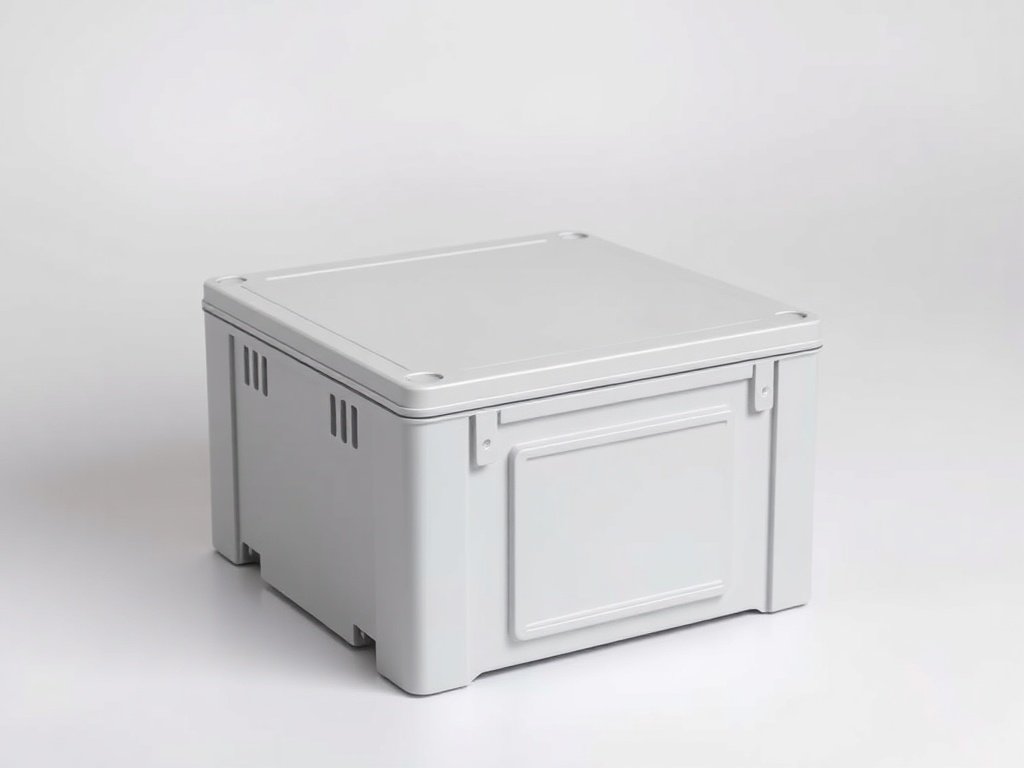
2. FOSB — Front Opening Shipping Box
A FOSB looks similar to a FOUP but is designed for transport rather than in-fab use. FOSBs are lightweight, shock-protective shipping containers that carry 300 mm wafers between facilities, often combined with a moisture barrier and cushioning. If wafers need to travel by air or road, a FOSB is usually the right choice.
3. SMIF Pod — Standard Mechanical Interface
Before FOUPs became dominant, SMIF pods were the industry standard for protecting wafers inside a cleanroom. A SMIF pod creates a mini-environment around a cassette and interfaces with a SMIF arm, keeping wafers in an ultra-clean micro-atmosphere. SMIF pods are still widely used for 200 mm and legacy fabs.
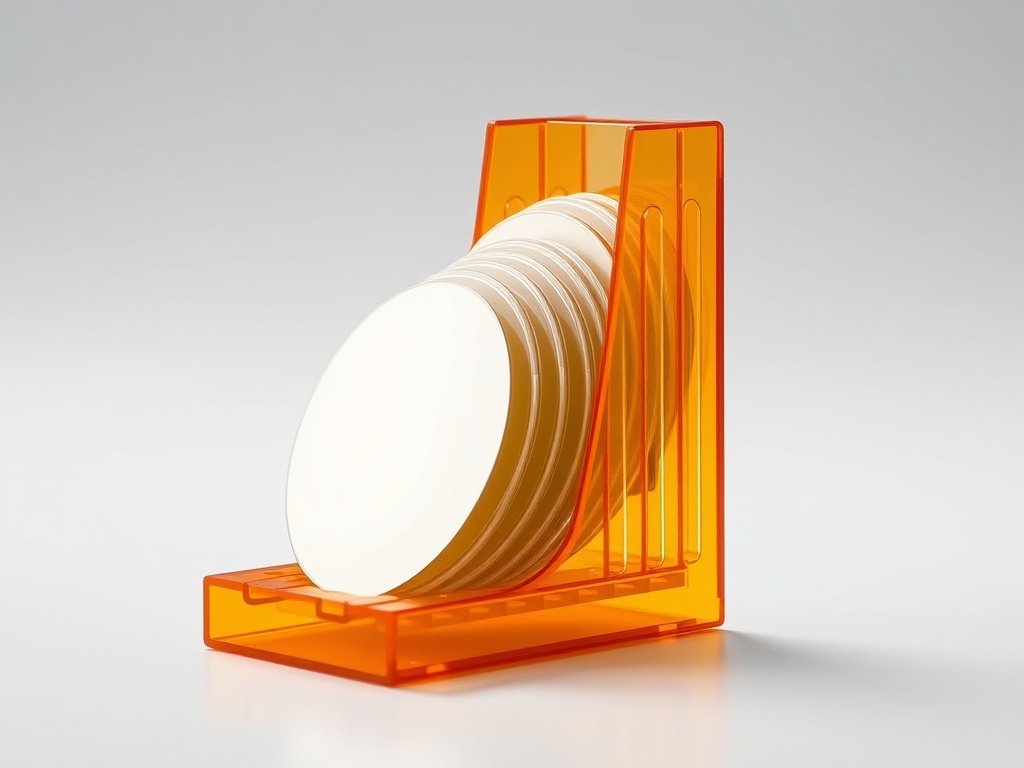
4. PEEK / ESD Wafer Cassettes
PEEK (polyetheretherketone) wafer cassettes combine high-temperature resistance, chemical stability, and excellent wear characteristics, making them ideal for demanding steps such as wet processing, thermal treatment, and high-end cleanroom storage. Static-dissipative (ESD) versions prevent static charge buildup that can attract particles or damage sensitive devices. GINECHIP’s PEEK/ESD wafer cassettes are available for 4″, 5″, 6″, 8″, and 12″ wafers in 25- or 50-slot configurations.
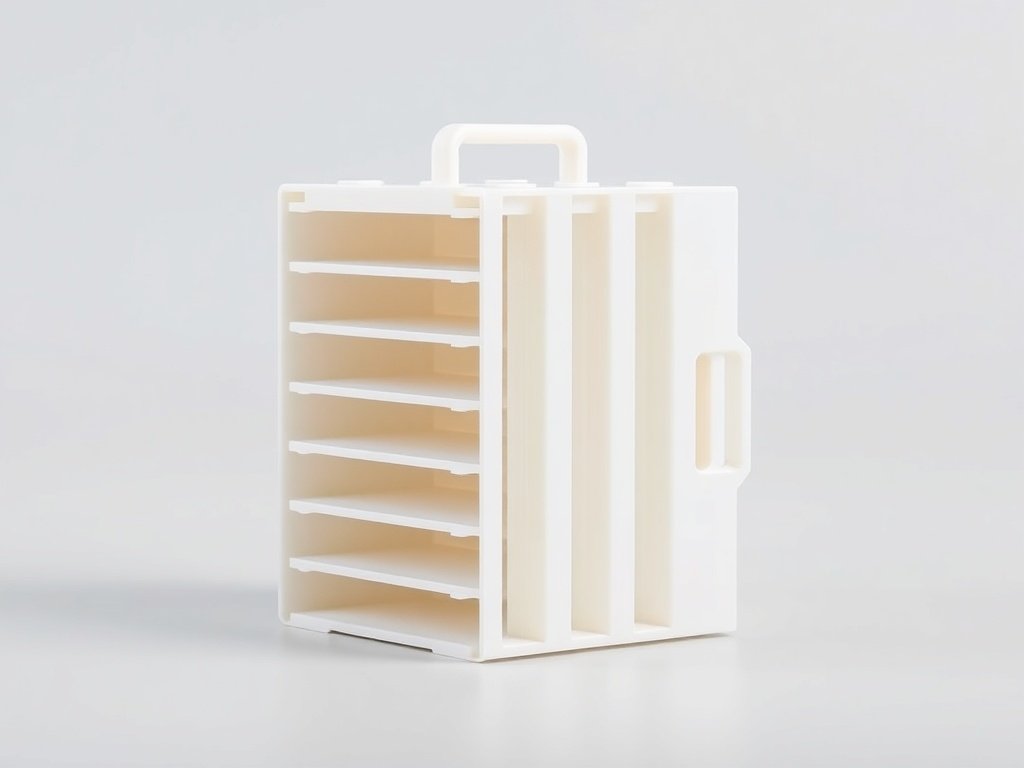
5. Standard PP (Polypropylene) Wafer Cassettes
Polypropylene cassettes are the economical workhorse of wafer handling. They are durable, chemically resistant, lightweight, and available in ESD or anti-static grades. PP cassettes are ideal for general storage, manual handling, and many process steps, offering a strong balance of cost and protection.
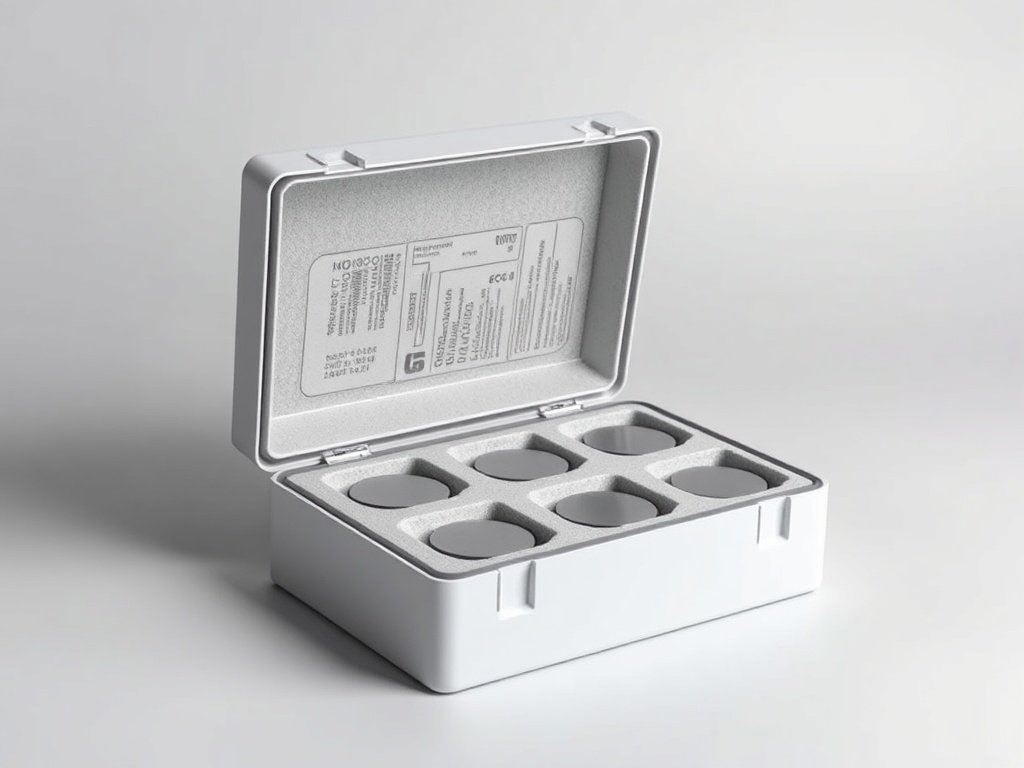
6. Wafer Shipping Boxes
A wafer shipping box is a rigid, foam-lined, or cushion-designed container that protects cassettes and wafers during long-distance logistics. Shipping boxes can hold one or multiple cassettes and may include desiccants, humidity indicators, and tamper-evident seals. They form the outer protective layer of most wafer shipments.
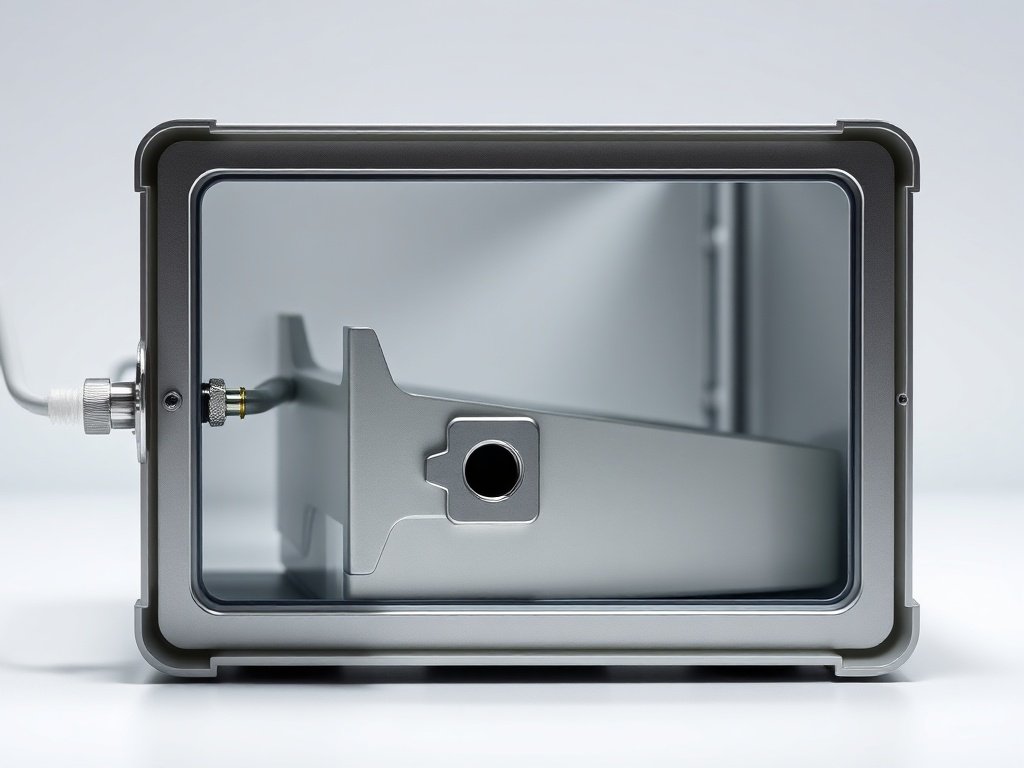
7. N₂-Purge Packaging
Moisture is one of the biggest enemies of wafer reliability. Nitrogen-purge packaging replaces the air inside a sealed bag or box with dry nitrogen, keeping relative humidity near zero. This type of packaging is essential for moisture-sensitive wafers, MEMS devices, and long-term storage, and it is often combined with FOSBs and shipping boxes.
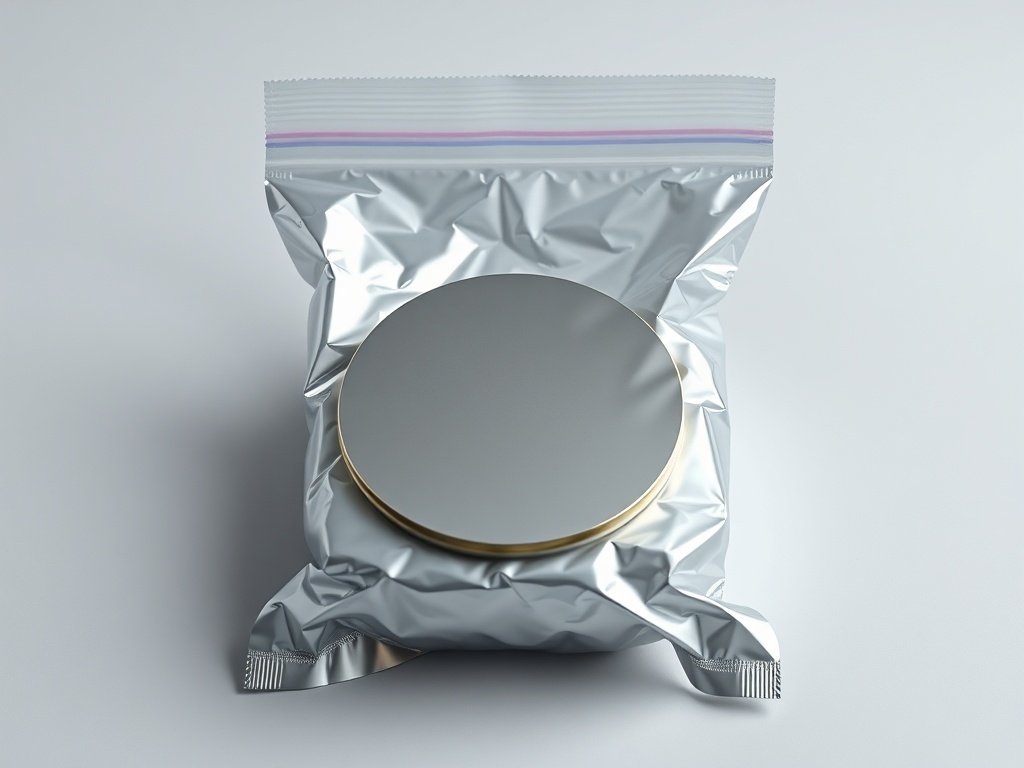
8. Vacuum-Sealed Packaging
Vacuum-sealed packaging removes air — and with it oxygen, moisture, and particulates — from the package, then seals it hermetically. Vacuum sealing is ideal for long-term storage and low-volume shipments, minimizing oxidation and contamination over time.

9. Wafer Frames
A wafer frame is a metal or polymer ring with adhesive film onto which a wafer is mounted after backgrinding or before dicing. The frame keeps the thinned or diced wafer rigid and holds die in place during transport between process steps. Wafer frames are typically supplied in 6″, 8″, and 12″ sizes and are essential for die-level handling.
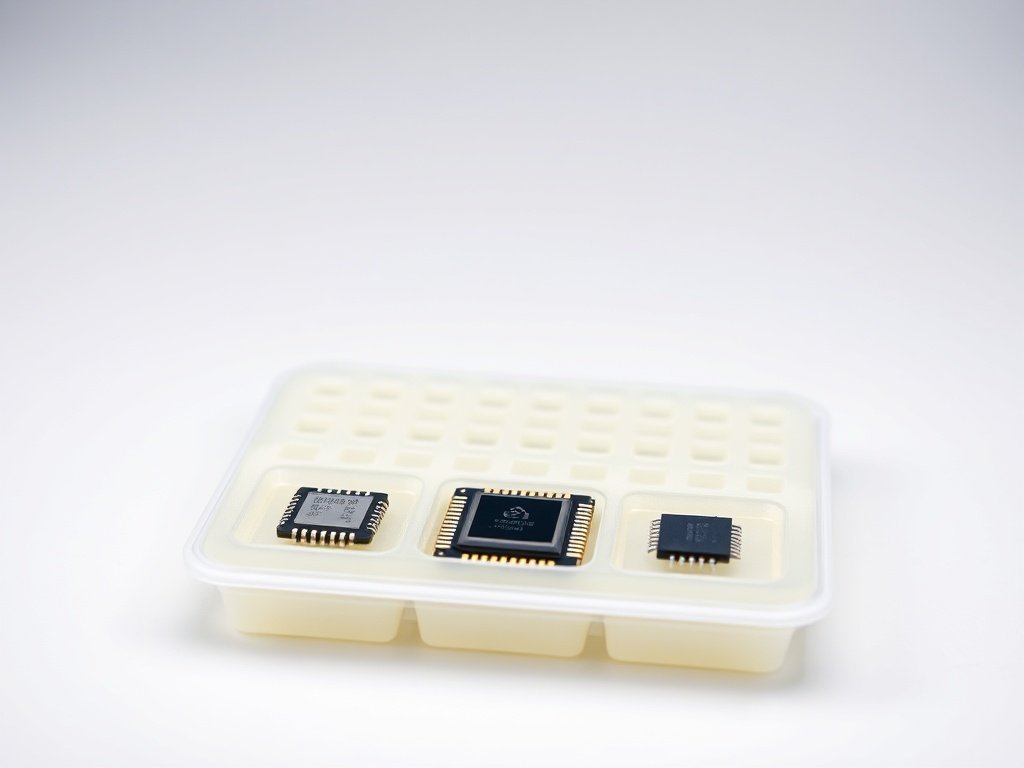
10. Gel Packs / Waffle Packs
Gel packs and waffle packs carry individual die, chips, and small components rather than full wafers. Gel packs use a soft conductive gel layer that holds die securely; waffle packs use precision-machined pockets in a rigid carrier. Both are ESD-safe and used heavily in assembly, packaging, and die distribution.
Wafer Packaging Types at a Glance
The table below summarizes the main wafer packaging and shipping types covered in this guide.
| Packaging Type | Primary Use | Key Features | Typical Capacity |
|---|---|---|---|
| FOUP | In-fab 300 mm transport & storage | Sealed, N₂-purge, ISO Class 1, AMHS-compatible | 25 wafers |
| FOSB | Inter-fab / international shipping | Lightweight, shock-protective, sealed | 25 wafers |
| SMIF Pod | 200 mm & legacy fab mini-environment | Isolated micro-atmosphere, cassette-based | 25 wafers |
| PEEK / ESD Cassette | High-temp & high-purity process steps | Heat- and chemical-resistant, ESD-safe | 25 / 50 wafers |
| PP Cassette | General storage & handling | Economical, durable, ESD options | 25 / 50 wafers |
| Wafer Shipping Box | Long-distance logistics | Rigid shell, foam lining, desiccant slots | 1–5 cassettes |
| N₂-Purge Packaging | Moisture-sensitive wafers | Dry nitrogen atmosphere, low humidity | Custom |
| Vacuum-Sealed Packaging | Long-term storage | Oxygen & moisture barrier, hermetic seal | Custom |
| Wafer Frame | Backgrinding / dicing & die transport | Metal ring + adhesive film | 6″ / 8″ / 12″ |
| Gel Pack / Waffle Pack | Die & small-part shipping | ESD-safe pockets, secure die retention | Custom |
How to Choose the Right Wafer Packaging
There is no single best wafer packaging type — the right choice depends on your process and logistics. Start by considering these factors:
- Wafer size: 100 mm, 125 mm, 150 mm, 200 mm, and 300 mm formats use different carriers.
- Use case: in-fab automation, inter-fab transfer, or international shipping each favor different packaging.
- Cleanliness and ESD requirements: high-end process steps demand PEEK or ESD-grade materials.
- Moisture sensitivity: moisture-sensitive wafers benefit from N₂-purge or vacuum-sealed packaging.
- Automation compatibility: FOUPs and SMIF pods must match your load ports and AMHS.
GINECHIP Supplies All Wafer Packaging Types
Whether you need FOUPs for your 300 mm line, FOSBs for international shipments, PEEK/ESD wafer cassettes or standard PP cassettes, wafer shipping boxes, N₂-purge or vacuum-sealed packaging, wafer frames, or gel and waffle packs, GINECHIP is your single-source partner. Combined with our premium silicon wafer substrates, wafer processing, and accessory supply, we help you keep every wafer protected end to end.
Every GINECHIP packaging solution is manufactured from high-purity, cleanroom-grade materials and can be configured to your exact wafer size, slot count, and cleanliness specification. Request a quote and our engineers will help you select the right wafer packaging for your process and budget.
Prefer email? Reach us directly at info@ginechip.com.